



“A person saving for retirement who chooses low-cost investments instead of higher-cost ones could have a standard of living throughout retirement that's more than 20 percent higher”, says Noble Prize winner William Sharpe.
In a recent interview published on the Stanford Graduate School of Business website, Sharpe, a professor emeritus at the school, clearly illustrates how much more money retirees would have if they saved for retirement using lower-cost index funds rather than higher-cost actively managed funds.

A couple of weeks back, I received a call from a client couple, (who I’ll call ‘Z’) who have been happily retired for a few years. During our conversation, they let me know they needed to take out some extra money for a one-time expense that their regular retirement income won’t quite cover. However, this isn’t the first time; in fact, it seems for client couple Z there’s a different one-time request more years than not.
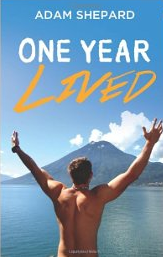
I've noticed that there is a sense of urgency as you get older, time speeds up, the questions of a good life lived haunt and nag. For some, that 'as you get older' point is approaching 60, for others it's turning 30, but at whatever the age the questions start, you might want to give them some attention.
Adam Shepard was a 30 year old with more than a mild case of wanderlust - he wanted to fully live every single moment, not to miss a single opportunity presented to him, to really experience life in every way possible. So he sold everything, took off for a year and then wrote a book about his experiences called 'One Year Lived'. But before he did any of that - he carefully developed a plan on how to accomplish his dream. Adam is not a Spiritus client, but someone who sets goals and achieves them, he’s a follower of his dreams, a thoughtful and careful life-planner, a risk-taker and an incredibly enthusiastic and over all friendly guy. And his book is not just interesting in terms of experiencing other cultures and countries through his eyes, but he’s crazy funny in his descriptions and in the situations he gets himself into.

Here in the wealthy enclave of the San Francisco Bay Area, it seems and feels like ground zero for the everlasting internal debate between quality of life vs. standard of living.

The Roth IRA has been one of the best tax planning techniques to come out of Washington, DC in a very long time. But because the Roth comes with income limit eligibility limitations; (maximum income for singles in *2017 - $133,000 ) and (maximum income for married couples - $196,000 ), lots of high income earners have been unable to take advantage of this option. *These dates and figures have been updated for 2017.
Like many of you, including yours truly, that have already received loads of info about the ‘backdoor Roth IRA’ from tax planning firms or your CPA, below is a consolidation of the best of the best that I have received recently on this topic. All due credit belongs to the numerous sources that kindly sent me info about the new ‘tax kid’ on the block - the backdoor Roth IRA - thank you!

We are currently in the midst of one of the largest transfers of wealth from one generation to the next that our country has ever witnessed. That’s because as parents of baby boomers start to pass, the legacies they are leaving behind in the form of inheritances are in the trillions of dollars.
Last year alone in our financial planning practice, one out of three new clients contacted our practice as a result of receiving an inheritance. And in many cases, the inheritance they received was a game changer - meaning the amount received was large enough to create financial independence.

Mistakes, lies, omissions, inflating the truth - these can all amount to the same end. Major problems with the IRS and a possible audit.