



When you think about financial independence (FI), what comes to mind? What do you imagine your life would look like if working for money was purely optional?
This is a question that many of my clients have pondered deeply and thoughtfully and continue to evaluate and review. Not needing to work for money and wondering what to do with your life once you’re FI is, as they say, a ‘gold plated’ problem we should all be fortunate enough to have.
But with so many possibilities, so many shades of financial independence to explore and discover, such a new dynamic and reality to accept and embrace - the choice of how you design your life plan truly matters. And it matters just as much whether you reach FI in your 40’s, 50’s, 60’s or 70’s.
Whether you earned, saved, lived within or below your means and invested well on the road to financial independence OR you received a windfall from real estate appreciation like many of my Bay Area clients are experiencing, especially those living in Berkeley or Silicon Valley OR you inherited your FI, the road ahead remains full of exciting possibilities. So which path do you choose? What now becomes your life purpose, your dharma?
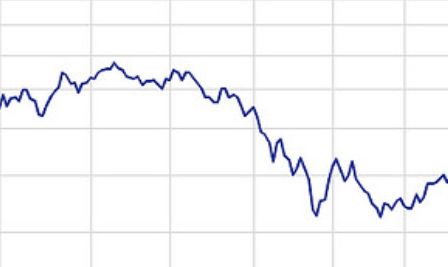
And now, with the recent volatility, memories of those scary days still haunt many an investor that rightfully so, remains traumatized from that roller coaster ride from hell back in 2009. The thought that runs through many a mind in times of high volatility and high anxiety like we’re currently experiencing; is this going to be a repeat of 2009?

With so many books about money being published, how does one book set itself apart from another?

I just finished reading Flash Boys, A Wall Street Revolt, written by bestselling author Michael Lewis. The revelations in the book about how the stock market is being manipulated and rigged by high-frequency traders that have the advantage of speed, measured in milliseconds (a millisecond is a thousandth of a second) reads like one of your favorite mystery novels, only in this case, it’s not fiction but reality.
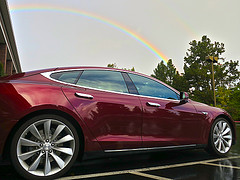
he·don·ism:

How much of a boost in net returns can financial advisors add to client portfolios? Well according to Vanguard, maybe as much as 3%.

To index or not to index - that is the question many investors ask themselves when building a durable investment strategy.